13 August 2025
Afghan women and girls returning from Iran and Pakistan face poverty, violence, and an uncertain future in their homeland.
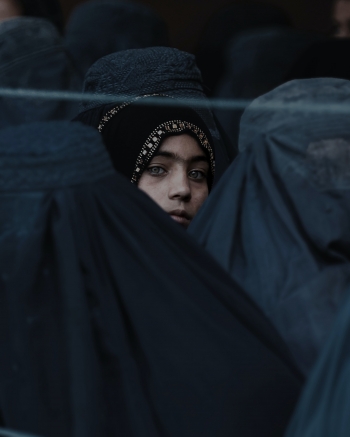
The influx of Afghan women and girls returning from Iran and Pakistan is shedding light on an increasingly deep humanitarian crisis in Afghanistan, worsened by restrictions imposed by the Taliban regime and cuts in international support.
According to a joint report by UN Women and CARE International, more than 2.43 million Afghans have returned to the country between September 2023 and today, with women and girls representing around one-third of returns from Iran and half of those from Pakistan. Many have never lived in Afghanistan before and return without housing, income, education, or access to healthcare.
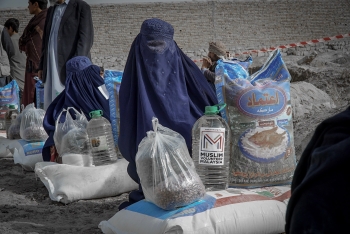
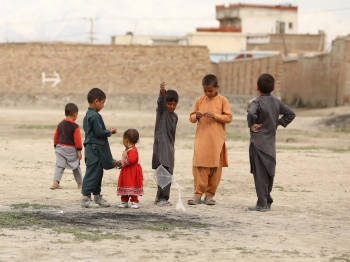
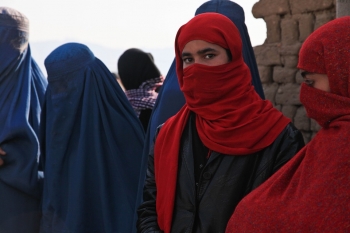
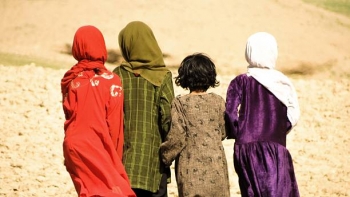
The challenges they face are severe: extreme poverty, risk of early marriage, violence, exploitation, and harsh restrictions on their rights and freedom of movement. Many live in temporary or precarious housing: only 10% of women-headed households have stable accommodation, while nearly 40% fear eviction. Moreover, all girls are banned from secondary school.
Female humanitarian workers play a crucial role in assisting returnees, as they are often the only interlocutors accepted by Afghan women. However, their work is hindered by mobility restrictions: they must be accompanied by a mahram (male guardian), but funding to ensure this accompaniment has been drastically reduced in the provinces of Kandahar and Nangarhar, making support irregular or entirely absent.
In addition to logistical difficulties, the Taliban have reportedly tortured and threatened some returnees from Iran and Pakistan, targeting them based on gender, orientation, or political affiliations. Furthermore, the United Nations has stressed that the return of over 2.2 million refugees is a crucial factor for social cohesion and peace in Afghanistan, but also a growing source of tension if not accompanied by effective measures.
In summary, the mass return of Afghan women requires an urgent and targeted response: strong international support is needed to ensure safe housing, livelihood opportunities, education for girls, and to strengthen the role of female aid workers in the most vulnerable communities.
Di Sara Maggetto
To read more, please visit:
https://news.un.org/en/story/2025/08/1165594