5 July 2025
Cooperatives are helping South Sudan pursue peace and stability by improving livelihoods and fostering economic resilience across communities.
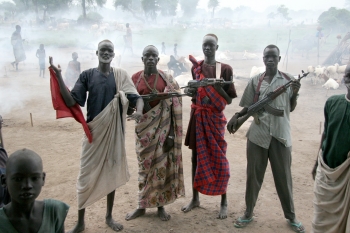
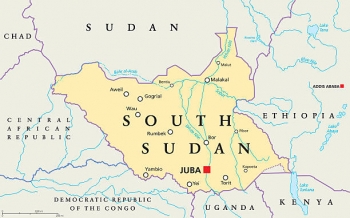
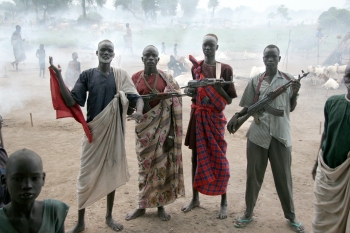
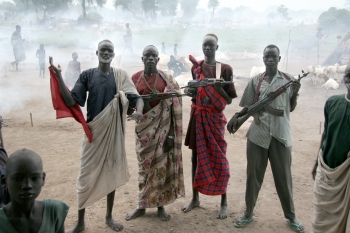
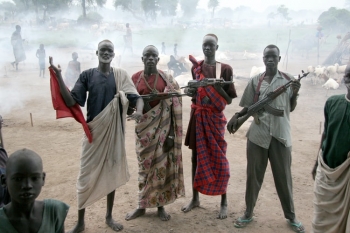
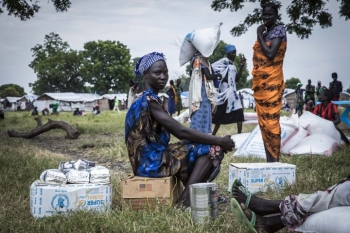
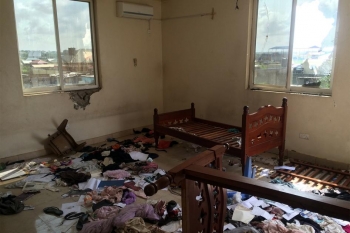
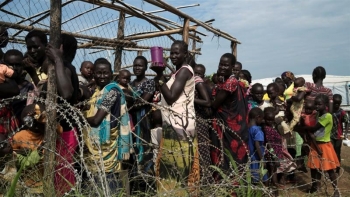
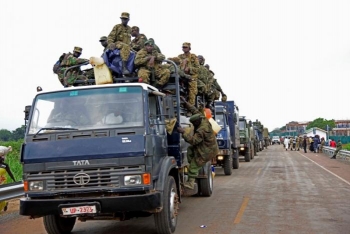
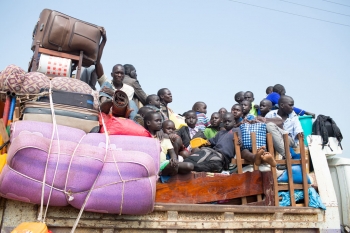
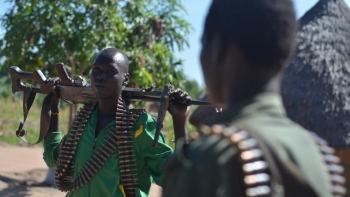
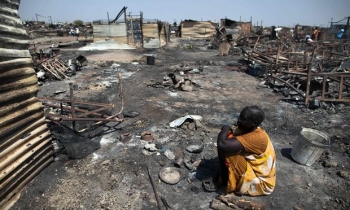
Since its independence in 2011, South Sudan has struggled with conflict and food insecurity. As a consequence, economic and political uncertainty resulted in frequent outbreaks of communal clashes and looting. In a context in which individual resources are often insufficient to guarantee a sustainable livelihood, the most vulnerable groups, especially younger people, are pushed towards armed violence and unrest.
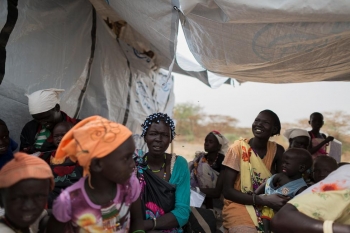
In the country cooperatives represent an opportunity to pursue peace and stability through economic development. People are encouraged to work together and share the risks, labour and income of their activities to improve their living conditions. This lets them access economic opportunities that would otherwise be out of reach. By working together in productive activities, individuals, and in particular younger generations, are less likely to partake in communal conflicts and looting. They gain greater access to basic services and benefit from more opportunities in terms of land use, productivity and access to markets. Additionally, cooperatives better equip producers to manage their supply capacities and address potential challenges more effectively.
According to Louis Bagare, the local project manager of co-operatives at the Food and Agriculture Organization (FAO), these forms of communal cooperation provide an effective way of promoting development and democratic governance. At the same time, cooperatives are generally perceived as reliable and sustainable, making development banks and international organisations, such as FAO, more willing to invest in support of such initiatives. The goal is to ensure the development of the necessary capabilities in order to foster long-term economic growth and stability.
The effectiveness of such mechanisms is further strengthened by the historical significance that cooperatives have played in South Sudanese societies. In fact, they reflect a long-standing tradition of communal work which was already present before the civil war that destabilised the country in 2011. The majority of the cooperatives currently operating in South Sudan focus on agriculture, but there are also notable examples of initiatives that produce bread and textiles, among others.
FAO’s Bagare envisions a future where co-operatives thrive across all economic sectors, from environmental issues to transportation, promoting unity and resilience. If supported through consistent capacity-building and long-term investment, they could contribute meaningfully to the country’s stability and development.
Di Francesco Ghibaudo
To read more, please visit:
https://news.un.org/en/story/2025/07/1165256
https://news.un.org/en/audio/2025/07/1165291
https://trust-fund-for-africa.europa.eu/news/martines-journey-transforming-agriculture-south-sudan-international-day-cooperatives-2024-07-03_en